 Taiji‑Europa
Qigong Exercises for Beginners
 By Julian Reeve, Tai Chi & Qigong instructor · Updated 23 May 2026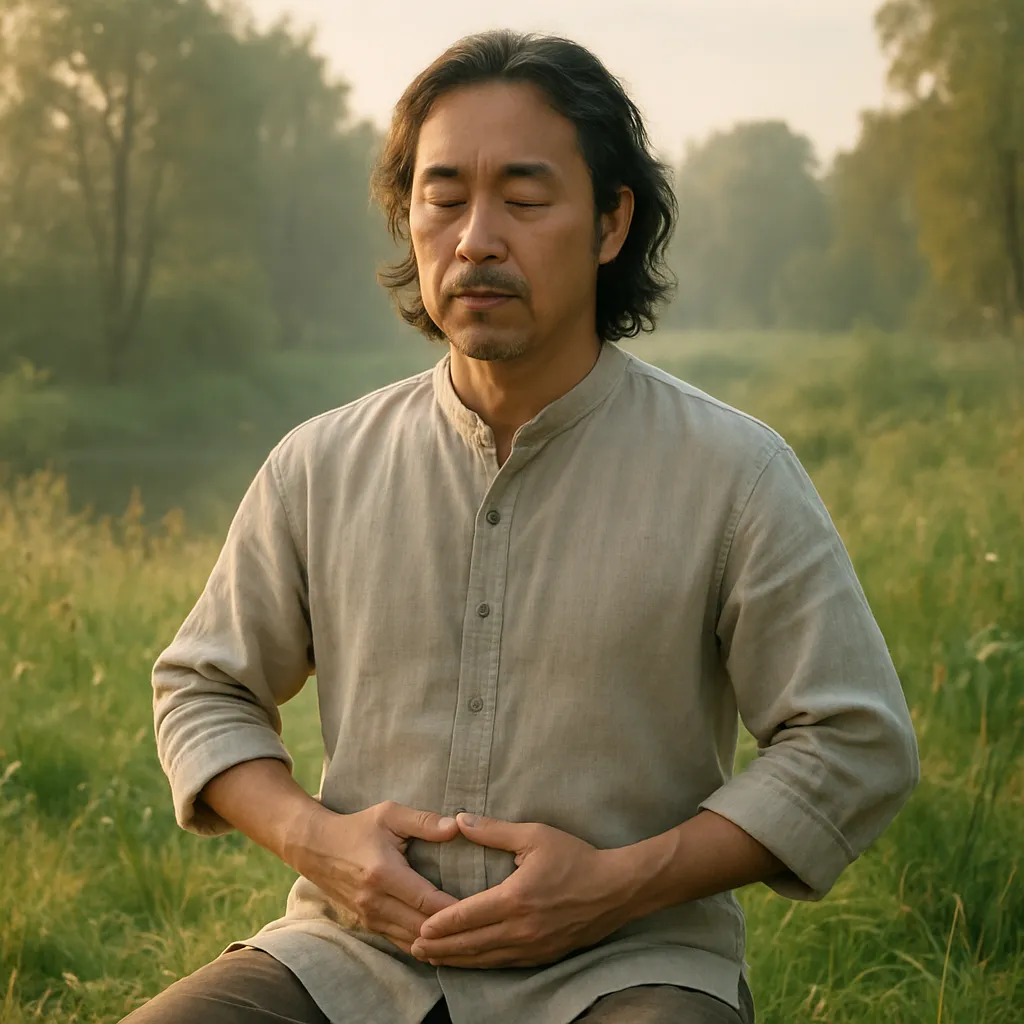
Qigong is the easiest of the internal arts to start, because a single simple movement, done slowly with relaxed breathing, already is the practice. Here are five beginner-friendly exercises and a short routine you can begin today — no experience or equipment needed.
Before you begin
Stand with your feet shoulder-width apart, knees soft, spine long, shoulders relaxed and dropped. Breathe slowly through the nose, letting the belly rise and fall. Move at about half the speed that feels natural. Never strain — gentleness is the whole point. If you are unsure what Qigong is, start with our introduction to Qigong.
Five beginner exercises
- Standing and breathing. Simply stand in the posture above for one to three minutes, following your breath. This "standing like a post" is the root of all the rest.
- Lifting the sky. Raise both arms slowly out and up overhead as you breathe in; lower them down the front as you breathe out. Repeat eight times. It opens the chest and shoulders.
- Gathering energy to the dantian. Scoop the hands up the front of the body on the in-breath, then press them gently down past the lower abdomen on the out-breath. Calming and grounding.
- Cloud hands. Shift your weight slowly side to side while the hands trace soft circles in front of you — a gentle, flowing movement that also appears in the Tai Chi form.
- Shaking and settling. Loosely bounce and shake the whole body for thirty seconds to release tension, then stand still and feel the settling. A simple way to finish.
A short daily routine
Put them together for a five-to-ten-minute practice: one minute standing, eight repetitions of lifting the sky, eight of gathering energy, a minute of cloud hands, then shake and settle. Done daily, even briefly, this gentle routine builds the calm, breath-led awareness that underpins all the internal arts.
Getting the most from practice
- Consistency over duration. Five minutes a day beats an hour once a week.
- Relax first, then refine. Looseness comes before precision.
- Let the breath lead. Movement follows the breath, never the other way around.
When you are ready for the flowing, choreographed cousin of these exercises, see how Qigong and the form relate in Tai Chi vs Qigong.
Frequently asked questions
Can I learn Qigong on my own at home?
Yes. Simple Qigong exercises are well suited to home practice. Move slowly, breathe naturally, and never strain. A teacher can later refine your alignment and deepen the work.
How long should a beginner practise Qigong?
Five to ten minutes a day is an excellent start. Short, regular sessions build the habit and the calming effect far better than occasional long ones.
Do I need to believe in qi for Qigong to work?
No. Whatever you make of the traditional concept of qi, the slow movement, deep breathing and focused attention have clear, felt effects on relaxation and wellbeing.