 Taiji‑Europa
What Is Qigong?
 By Julian Reeve, Tai Chi & Qigong instructor · Updated 23 May 2026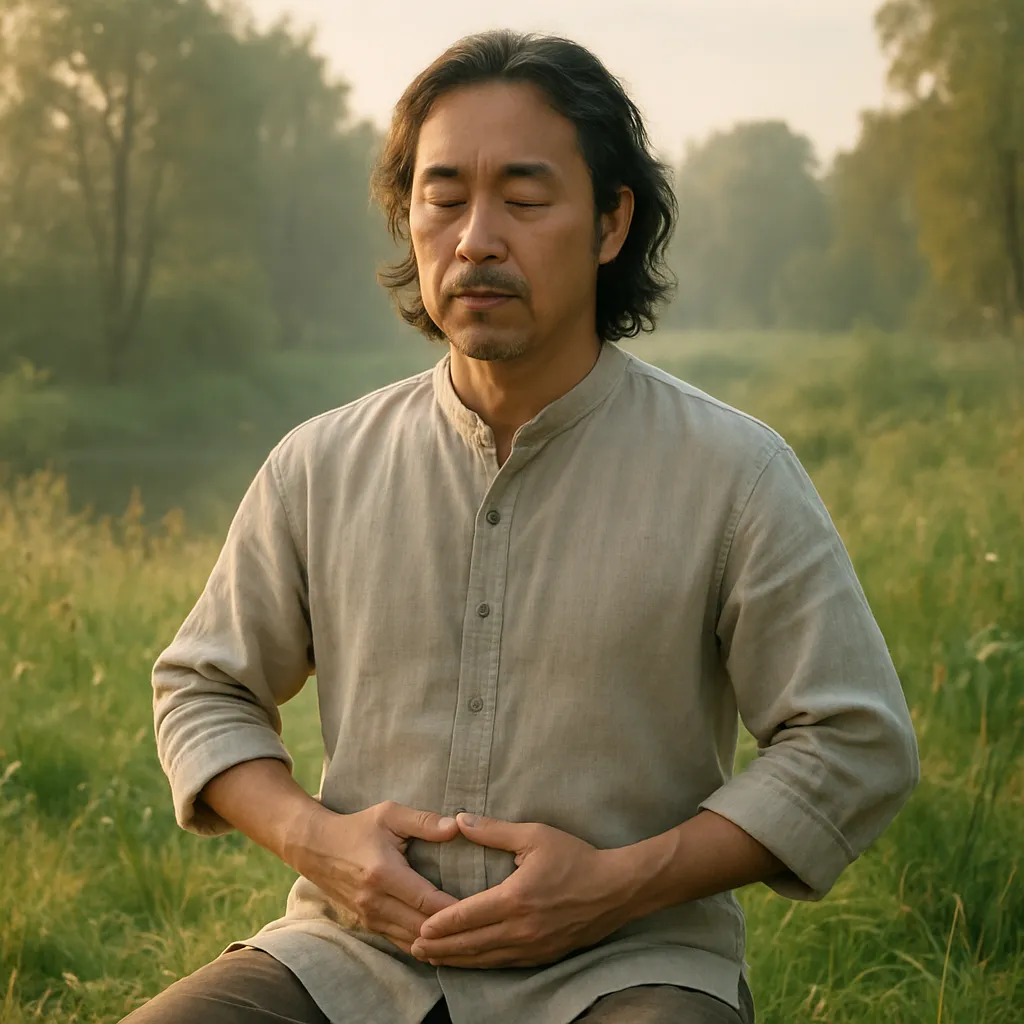
Qigong (also written Chi Kung) is the Chinese art of cultivating breath and energy through gentle movement, posture and attention. Older and broader than Tai Chi, it is the quiet foundation beneath much of Chinese health and martial practice — and one of the simplest ways to begin.
What Qigong means
The word combines qi (energy, breath, vital force) and gong (skill cultivated through steady work). So Qigong is, literally, the skill of working with energy. In practice that means coordinating slow movement or stillness with relaxed, deep breathing and focused attention — calming the nervous system and, in the traditional view, encouraging qi to move smoothly through the body.
The main kinds of Qigong
- Health Qigong — gentle sets for wellbeing, the most popular form worldwide.
- Medical Qigong — used alongside traditional Chinese medicine.
- Martial Qigong — conditioning and power work for the martial arts.
- Spiritual / Taoist Qigong — meditative inner cultivation.
Qigong and Tai Chi
The two are close cousins. Qigong is usually simpler — often a single movement repeated, or quiet standing — while Tai Chi is a long, choreographed martial form. Many people practise a little Qigong to warm up, settle and deepen their Tai Chi. For a full comparison, see Tai Chi vs Qigong.
How to begin
Qigong is arguably the easiest internal practice to start: pick one simple exercise, do it slowly with relaxed breathing for a few minutes a day, and build from there. Our beginner exercises give you a short routine you can start today.
Frequently asked questions
Is Qigong easier than Tai Chi?
Generally yes. Qigong exercises are often simple and repetitive, so beginners can feel the relaxing effect quickly, whereas Tai Chi requires learning a longer choreographed form.
What are the benefits of Qigong?
Practitioners commonly report reduced stress, better breathing, improved focus and a general sense of calm and energy. Like Tai Chi, it is gentle and suitable for almost any age.
How long should I practise Qigong each day?
Even five to ten minutes daily is worthwhile. Consistency matters more than length — a short daily practice beats an occasional long one.